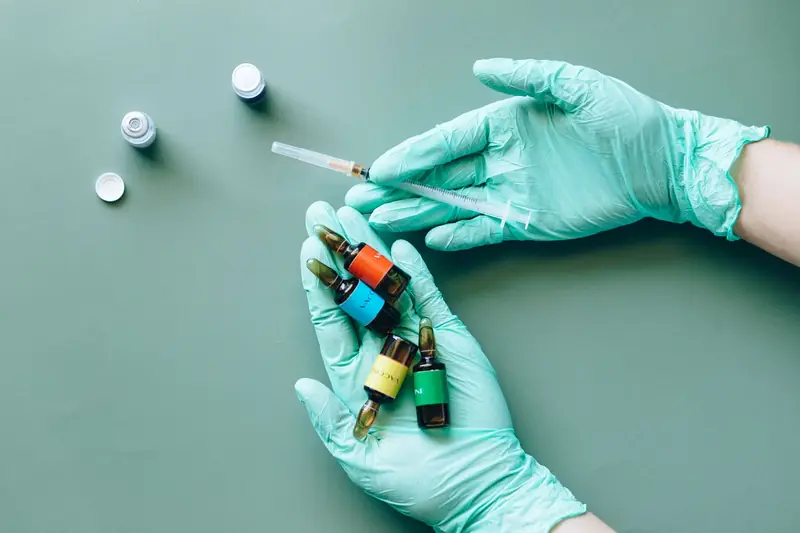
Exact standard formulation
| Ingredient | Typical dose | Mechanism of action | Osmolarity contribution |
|---|---|---|---|
| 0.9% sodium chloride (carrier) | 250–500 mL | Isotonic vehicle; compatible with ascorbate and zinc | ≈ 308 mOsm/L baseline |
| Ascorbic acid (500 mg/mL, buffered) | 2.5–15 g (G6PD result required above 15 g) | Electron donor and cofactor for enzymes in neutrophil and lymphocyte function; plasma levels far above oral ceiling | ≈ 10 mOsm per gram: +50 to +300 mOsm/L in 500 mL |
| Zinc sulfate or zinc chloride | 3–10 mg elemental zinc | Cofactor for hundreds of enzymes and for thymic and T-cell function | Negligible |
| B-complex 100 | 1 mL | Coenzymes for energy metabolism during illness and recovery | ≈ +2 to +5 mOsm/L in 500 mL |
| Magnesium chloride, optional | 0.5–1 g | Replaces losses from poor intake, fever or GI illness | ≈ +15 to +30 mOsm/L in 500 mL |
| Glutathione (separate) | 600–2,000 mg slow IV push after the bag | Thiol antioxidant; kept out of the ascorbate bag | Not added to the bag |
| Vitamin D3 IM (separate, compounded) | Commonly 50,000 IU, prescriber decides frequency | Precursor of calcitriol; supports innate immune signaling when deficient | Intramuscular, oil-based; never IV |
Clinical background and what the evidence supports
Intravenous ascorbic acid bypasses intestinal transporters, so a few grams IV produce plasma concentrations many times higher than any oral dose can. Vitamin C accumulates in neutrophils and supports oxidative killing and resolution of inflammation. Zinc deficiency impairs T-cell function, and both nutrients fall during acute infection.
The leap from those mechanisms to clinical benefit has not held up well. Oral vitamin C taken daily modestly shortens colds in some trials but does not prevent them in the general population. A large randomized trial of IV vitamin C in sepsis (LOVIT) found a higher rate of death or persistent organ dysfunction in the treated group, and outpatient trials of high-dose oral zinc plus vitamin C for COVID-19 were stopped for futility.
So the honest framing is repletion and supportive care: an immune drip may help someone who is depleted, eating poorly or mildly dehydrated during a viral illness. None of these ingredients is FDA-approved to prevent or treat infection, and the drip is not a substitute for vaccination, antivirals or medical evaluation.
Synergistic dosing and the G6PD rule
Most immune menus use 2.5–10 g of ascorbic acid. At these doses vitamin C acts as an antioxidant and keeps zinc, B vitamins and glutathione in a reduced, usable state. Doses of 15 g and above shift into the pro-oxidant, pharmacologic range covered on the high-dose vitamin C page.
Two other ascorbate cautions apply at every dose. Vitamin C is metabolized partly to oxalate, so people with kidney stones or reduced kidney function face a risk of oxalate nephropathy. High plasma ascorbate also causes falsely high readings on some fingerstick glucose meters for hours after the drip, which matters for anyone with diabetes who doses insulin by meter.
Glutathione is pushed after the bag rather than mixed with it, partly for stability and partly so a reaction can be traced to one agent. Vitamin D3 is given intramuscularly because it is an oil-based compounded preparation; there is no FDA-approved cholecalciferol injection marketed in the U.S., so it comes from a 503A or 503B compounder.
Zinc limits and copper depletion
Zinc and copper compete for absorption and for binding proteins. Sustained zinc excess induces metallothionein, which traps copper and can produce copper deficiency with anemia, neutropenia and a myeloneuropathy that may not fully reverse. Most reported cases involve months of high oral intake, but repeated IV dosing adds to the total.
| Context | Typical zinc amount | What it tells you |
|---|---|---|
| Adult parenteral nutrition maintenance (ASPEN) | About 3–5 mg elemental per day | The daily IV need of a person with no oral intake |
| Immune drip, single session | 3–10 mg elemental | Roughly one to three days of PN maintenance |
| Weekly immune drips for months | Cumulative and on top of diet and supplements | Ask about oral zinc; consider copper and ceruloplasmin checks |
| Oral zinc above the 40 mg/day upper limit long term | Varies | Recognized cause of copper deficiency |
Zinc is irritating to veins at high concentration and can cause nausea or a metallic taste if infused quickly. Keep doses in single digits of milligrams for wellness visits, dilute in the full bag, and record cumulative zinc for frequent clients.
Carrier fluid and osmolarity math
Normal saline is the standard carrier here. Buffered ascorbic acid adds roughly 10 mOsm per gram, so the same dose produces a very different bag depending on volume. Lactated Ringer’s can be used at lower ascorbate doses, but many pharmacists prefer saline for predictable compatibility. For the broader comparison see normal saline vs Lactated Ringer’s.
| Ascorbic acid dose | In 250 mL NS (approx.) | In 500 mL NS (approx.) | In 500 mL sterile water (approx.) |
|---|---|---|---|
| 2.5 g | ≈ 410 mOsm/L | ≈ 360 mOsm/L | ≈ 50 mOsm/L (too hypotonic) |
| 5 g | ≈ 510 mOsm/L | ≈ 410 mOsm/L | ≈ 100 mOsm/L (too hypotonic) |
| 10 g | ≈ 710 mOsm/L | ≈ 510 mOsm/L | ≈ 200 mOsm/L (hypotonic) |
| 15 g | ≈ 910 mOsm/L | ≈ 610 mOsm/L | ≈ 300 mOsm/L |
Two practical lessons follow. Sterile water is only a sensible base at roughly 15 g and above, where the ascorbate supplies the tonicity; below that it risks hemolysis. And small 250 mL bags with 10 g or more become markedly hypertonic, which is the most common reason clients report burning and phlebitis.
Combining saline, ascorbate, zinc and B-complex at the bedside is four components, beyond the three allowed under USP <797> immediate use; compliant operators buy pre-mixed or patient-specific preparations from a 503A or 503B pharmacy.
Infusion rate and vein irritation prevention
A 500 mL immune bag usually runs over 45–60 minutes. Ascorbate is commonly infused no faster than about 0.5 g per minute, so a 15 g dose should never be rushed into a 20-minute slot. Glutathione follows as a 5–10 minute slow push, then a saline flush.
- Use a 20G–22G catheter in a forearm vein with good flow rather than a hand vein when the bag is above about 500 mOsm/L.
- Slow the rate at the first report of burning or aching along the vein; check for infiltration before continuing.
- Offer oral fluids before and during the drip; ascorbate causes thirst and urinary frequency.
- Recheck blood pressure and ask about lightheadedness before removing the catheter.
Lounge vs mobile pricing and sick-visit logistics
Benchmarks run $210–$290 in a lounge and $275–$375 mobile, with glutathione and vitamin D3 IM usually priced as add-ons. G6PD testing, when needed, is an extra lab cost and adds a day or more if it is not already on file.
Mobile visits suit people who are unwell and should not sit in a shared lounge. Expect the nurse to ask about fever, respiratory symptoms and recent test results, to wear a mask and to decline the visit if symptoms suggest you need a clinician in person. Configure the protocol, add-ons and group size in the immune protocol configurator.
Who it is for and who should not have it
Typical candidates are healthy adults recovering from a mild viral illness with poor intake, frequent travelers before a trip, and people with documented low vitamin C or zinc intake. A Good Faith Exam is required before the first visit.
Skip it and see a clinician if you have shortness of breath, chest pain, a high or persistent fever, confusion or signs of dehydration you cannot reverse orally. People with kidney stones, kidney disease, hemochromatosis (vitamin C increases iron absorption and mobilization), untested G6PD status at high doses or pregnancy should not use this protocol without specialist input.
Lounge vs. mobile price benchmarks
| Setting | Typical price | What is included | Notes |
|---|---|---|---|
| In-clinic lounge | $210–$290 | Ascorbic acid 2.5–10 g, zinc, B-complex in 250–500 mL NS, RN monitoring | Higher ascorbate doses often priced up |
| Mobile concierge | $275–$375 | Same bag plus travel and in-home observation | Preferred when you are symptomatic |
| Group (3–10+ people) | 10–20% off per person | Office pre-season or team visits | All participants need their own GFE |
| Glutathione push | +$35–$60 | 600–2,000 mg after the bag | Separate syringe or piggyback |
| Vitamin D3 IM | +$35–$50 | Commonly 50,000 IU compounded | Frequency should follow a 25-OH vitamin D level |
| G6PD test | Lab fee varies | Quantitative G6PD activity | Required before ascorbic acid above 15 g |
Prices are national self-pay medians; the drip configurator applies your state’s regional index, add-ons and group tiers.
Mandatory screening & contraindications
Required before the infusion
- Good Faith Exam with history, medications, allergies and current symptoms
- G6PD activity result on file before any ascorbic acid dose above 15 g
- Kidney stone and renal history (oxalate risk)
- Diabetes and glucose-meter use (ascorbate meter interference)
- Current oral zinc, copper and vitamin D supplements for cumulative dosing
- Vital signs and temperature; red-flag respiratory symptoms ruled out
Contraindications & stop signals
- Absolute: known G6PD deficiency for ascorbic acid doses above 15 g (and caution at any dose)
- Absolute: severe kidney disease, dialysis or active oxalate nephropathy
- Absolute: signs of severe infection (breathing difficulty, sepsis signs) requiring medical care
- Relative: history of calcium oxalate kidney stones
- Relative: hemochromatosis or iron overload
- Relative: heart failure or fluid restriction (limit volume)
- Relative: pregnancy or breastfeeding (no high-dose data)
- Relative: copper deficiency or long-term high-dose oral zinc use
Configure this protocol for your group or event
Choose mobile or lounge, volume, add-ons and participants; the estimate, safety flags and printable brief update instantly and carry into your booking request.
Where this protocol is in demand
Dense, travel-heavy metros with long cold-and-flu seasons and large corporate wellness budgets drive the highest immune drip and office group demand.
For clinics offering this drip: USP <797> Sterile Compounding Compliance and Immediate-Use Rules for IV Hydration Clinics · FDA Section 503A vs 503B Outsourcing Facilities: Sourcing Sterile IV Nutrients Legally · Cold-Chain Logistics & Medication Storage in Mobile IV Vehicles.
Frequently asked questions
Does an immune IV prevent colds or the flu?
There is no good evidence that it does. Vitamin C and zinc support immune function when you are deficient, and some oral studies show slightly shorter colds, but prevention has not been demonstrated. Vaccination and sleep remain the reliable tools.
Why do I need a G6PD test?
People with G6PD deficiency can develop sudden red blood cell breakdown after high doses of IV vitamin C. A normal result is required before doses above 15 g, and many prescribers check before lower first doses too.
How much zinc is in an immune drip?
Usually 3–10 mg of elemental zinc, roughly one to three days of what a patient on IV nutrition receives. The concern is cumulative intake: frequent drips plus oral zinc can lead to copper deficiency over time.
Why did my vein burn during the drip?
Vitamin C and zinc make the bag more concentrated, and a small bag with a large dose can exceed 700 mOsm/L. The fix is a larger bag, a bigger vein and a slower rate.
Can I get the drip while I have a fever?
A mobile nurse may treat a mild viral illness after a GFE, but high or persistent fever, breathing difficulty or confusion need medical evaluation instead. Expect symptom screening and masking at the visit.
Is the vitamin D shot the same as the drip?
No. Vitamin D3 is an oil-based compounded injection given into the muscle, not into the vein. Dosing frequency should follow a blood level, because repeated high doses can raise calcium.
Sources & standards reviewed
- Intravenous Vitamin C in Adults with Sepsis in the Intensive Care Unit (LOVIT trial) New England Journal of Medicine
- Vitamin C and Zinc: Health Professional Fact Sheets NIH Office of Dietary Supplements
- ASPEN recommendations on trace element requirements in parenteral nutrition American Society for Parenteral and Enteral Nutrition
- Glucose meter interference safety information U.S. Food and Drug Administration
- USP General Chapter <797> Pharmaceutical Compounding—Sterile Preparations USP
- Section 503A and 503B of the Federal Food, Drug, and Cosmetic Act U.S. Food and Drug Administration
Reviewed under the IVConnection clinical and regulatory review policy. Report a correction to clinical@ivconnection.com.