Exact standard formulation
| Ingredient | Typical dose | Mechanism of action | Osmolarity contribution |
|---|---|---|---|
| Lactated Ringer’s (carrier) | 1,000 mL | Isotonic volume with Na+ 130, K+ 4, Ca2+ 2.7, Cl- 109, lactate 28 mEq/L; lactate is metabolized to bicarbonate | ≈ 273 mOsm/L baseline |
| Magnesium sulfate | 1–2 g (8–16 mEq) | Cofactor for ATP-dependent enzymes; physiologic calcium-channel and NMDA modulation in muscle and nerve | ≈ +8 to +16 mOsm/L |
| B-complex 100 | 1 mL (thiamine 100 mg, niacinamide 100 mg, plus B2, B5, B6) | Coenzymes for glycolysis, the pyruvate dehydrogenase step and the citric acid cycle | ≈ +1 to +3 mOsm/L |
| Tri-Amino blend (L-arginine, L-citrulline, L-ornithine) | 1–5 mL compounded blend; concentration varies by supplier | Arginine and citrulline are nitric oxide substrates; ornithine is a urea-cycle intermediate involved in ammonia handling | ≈ +3 to +15 mOsm/L (supplier specific) |
| Taurine | Commonly 100–500 mg (compounded, often 50 mg/mL) | Osmolyte and modulator of calcium handling in skeletal muscle | ≈ +1 to +4 mOsm/L |
| Hydroxocobalamin (B12), optional | 1,000 mcg | Methylmalonyl-CoA and methionine synthase cofactor | Negligible |
| Glutathione, optional | 600–2,000 mg slow IV push or small NaCl piggyback after the bag | Thiol antioxidant; given separately for stability and compatibility | Not added to the bag |
| Ondansetron (Rx, PRN) | 4 mg IV (prescriber order after GFE) | 5-HT3 antagonist for exercise- or heat-related nausea | Negligible |
What the drip actually does after a race
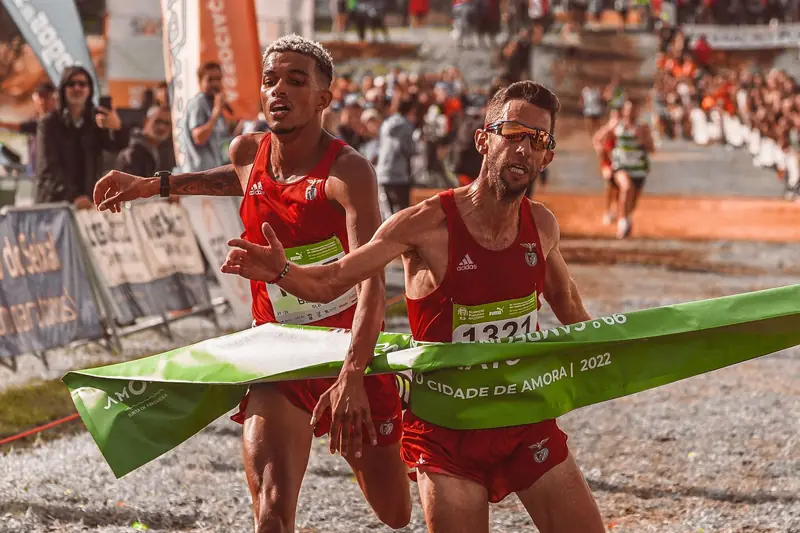
After a marathon, a hot-weather tournament or a two-a-day block, most athletes are mildly hypovolemic and depleted of glycogen. Oral fluids with sodium and carbohydrate fix that in nearly everyone who can keep them down. Controlled studies comparing IV with oral rehydration after exercise dehydration have generally found similar recovery of heart rate, core temperature and next-bout performance, with oral fluid often rated as more comfortable.
Where IV volume earns its place is the athlete who is nauseated, vomiting or too wrung out to drink for an hour or two. A liter of Lactated Ringer’s restores intravascular volume in about 45 minutes without depending on gastric emptying. Magnesium and B vitamins ride along because they are cheap, well tolerated and commonly depleted in heavy training, not because they have been shown to speed muscle repair.
The amino acid and taurine additions are the least evidence-backed part of the bag. Oral studies of citrulline, arginine and taurine show mixed, small effects on soreness and blood flow. Intravenous dosing for recovery has not been tested in meaningful trials, and none of these additives is an FDA-approved indication for exercise recovery.
Exercise-associated hyponatremia: the screen that changes everything
Exercise-associated hyponatremia (EAH) means a serum sodium below 135 mmol/L during or within 24 hours of exercise. The main cause is drinking more hypotonic fluid than the body can excrete, often in slower finishers, plus non-osmotic ADH release. These athletes are frequently euvolemic or volume-overloaded, not dry.
Giving a liter of isotonic fluid to a runner with symptomatic EAH can lower sodium further and worsen cerebral edema. Wilderness Medical Society guidance directs symptomatic EAH toward hypertonic saline (3%) in a medical tent or emergency department and away from isotonic or hypotonic boluses. That is emergency care, not a mobile wellness visit.
| Post-race presentation | What it can mean | Mobile IV action |
|---|---|---|
| Thirsty, dark urine, dizzy on standing, weight down after the race | Hypovolemia from sweat loss | Reasonable candidate after GFE and vitals; LR 1,000 mL |
| Weight up or unchanged, puffy hands, nausea, headache after drinking heavily | Possible EAH | Do not infuse; point-of-care sodium if available; refer |
| Confusion, vomiting, seizure, severe headache, breathing difficulty | Possible severe EAH or heat illness | Call 911; no wellness infusion |
| Cola-colored urine, severe muscle pain or swelling | Possible rhabdomyolysis | Emergency evaluation for CK and renal function; no NSAIDs |
| Core temperature concern, collapse in heat | Exertional heat stroke | Immediate cooling and EMS |
Better operators carry a point-of-care analyzer or decline to treat within hours of an ultra or a hot marathon unless the nurse can document that the athlete is hypovolemic. Ask whether your provider does either.
WADA and USADA: the 100 mL per 12 hours rule
The WADA Prohibited List bans, at all times (in and out of competition), intravenous infusions and/or injections of more than a total of 100 mL per 12-hour period. The only carve-out is infusions legitimately received during hospital treatment, surgical procedures or clinical diagnostic investigations. A one-liter recovery bag in a hotel room is ten times the limit.
The rule is about the method, so it applies even if every ingredient is permitted. Pushes count toward the total: a 10 mL glutathione push plus a 100 mL piggyback already exceeds it. If any ingredient is itself a prohibited substance, the drip is a violation regardless of volume. An athlete who needs an IV for a documented medical reason outside a hospital must hold a Therapeutic Use Exemption (TUE), applied for in advance where possible, or retroactively only in limited circumstances.
| Scenario | Status under the WADA Code |
|---|---|
| Recreational runner, not in any testing pool | Not subject to WADA testing; the medical screen still applies |
| Code-bound athlete, 1,000 mL LR at a mobile visit | Prohibited method without a TUE |
| Code-bound athlete, 50 mL total via push | Within volume limit if no prohibited substance is given |
| Code-bound athlete treated in an emergency department | Hospital treatment exception generally applies; keep records |
| College or pro league athlete | League or NCAA rules may differ from WADA; check the governing body |
Elite age-groupers who race in events with drug testing are sometimes subject to the Code. If you have ever signed an anti-doping consent or been tested, use USADA’s Global DRO and TUE resources before booking.
Carrier fluid: why LR, when saline, never plain water
Lactated Ringer’s is the default carrier because its sodium and chloride sit closer to plasma than 0.9% sodium chloride. That lowers the chance of hyperchloremic metabolic acidosis when a full liter goes in, and the lactate is converted to bicarbonate by a normally functioning liver. For the trade-offs in detail see Lactated Ringer’s vs normal saline.
Normal saline (≈ 308 mOsm/L) is chosen when an additive is calcium-incompatible, when the prescriber prefers a chloride-rich fluid, or when the athlete has significant liver disease. Neither fluid is appropriate in suspected EAH without a measured sodium.
Sterile water is never a carrier on its own. At roughly 0 mOsm/L it causes hemolysis if infused directly; it is used only as a diluent in high-dose ascorbic acid preparations, which are not part of a standard recovery bag. With magnesium, B-complex, Tri-Amino and taurine added, a finished 1,000 mL LR bag usually lands around 290–320 mOsm/L, comfortably peripheral-compatible.
Mixing more than three sterile components at the bedside falls outside the USP <797> immediate-use provision; most compliant fleets source the amino blend and taurine from a 503B outsourcing facility.
Infusion rate and duration
A healthy adult athlete typically receives 1,000 mL over 45–60 minutes through a 20G–22G peripheral catheter, which works out to roughly 1,000–1,300 mL/h by gravity or pump. Older masters athletes and anyone with borderline blood pressure or a cardiac history get a slower rate or a 500 mL bag.
- Magnesium: diluted in the bag over the full infusion; rapid delivery causes flushing, warmth and transient hypotension.
- Amino acid blends: arginine-containing solutions can cause vein irritation and, rarely, hyperkalemia in renal impairment; slow the rate if the athlete reports burning.
- Glutathione: 5–10 minute slow push or 15-minute piggyback after the bag, flushed with saline.
- Vitals: blood pressure, heart rate and SpO2 before the start, mid-infusion and at discharge, with a short observation period.
Ketorolac is often requested for post-race soreness. Most medical directors exclude it in the hours after endurance events because NSAIDs combined with volume depletion and muscle breakdown raise the risk of acute kidney injury.
Lounge vs mobile pricing on race weekends
National benchmarks put this drip at $215–$285 in a lounge and $275–$365 for a mobile visit. Race-weekend demand compresses into a narrow window, so mobile operators in host cities often add surge or hotel fees on the afternoon of the event. Team and running-club bookings commonly earn the standard group tiers: 10% off for 3–5 athletes, 15% for 6–9 and 20% for 10 or more.
A team of eight at one hotel typically needs two RNs to finish in under 90 minutes. You can model group size, add-ons and your state’s price index in the athletic protocol configurator, and organizers can request event staffing through Book or Partner. Corporate and event staffing logistics are covered in group events and drip parties.
Who it is for and who should skip it
Reasonable candidates are healthy adults with clear signs of volume loss after a long effort, those who cannot tolerate oral fluids, and athletes facing a short turnaround such as back-to-back tournament days, provided they are not bound by the WADA Code or hold a TUE. A Good Faith Exam with documented history is required first; see how GFEs work.
Skip it, or seek medical care instead, if you gained weight during the race, feel confused or have a worsening headache, have heart failure or kidney disease, are on diuretics, or are bound by anti-doping rules without a TUE. Oral rehydration remains first-line for everyone who can drink.
Lounge vs. mobile price benchmarks
| Setting | Typical price | What is included | Notes |
|---|---|---|---|
| In-clinic lounge | $215–$285 | 1,000 mL LR, magnesium, B-complex, amino blend or taurine, RN monitoring | Book early; race-week slots fill fast |
| Mobile concierge (home or hotel) | $275–$365 | Same bag plus travel, setup and in-room observation | Event-day surge or hotel fees are common in host cities |
| Team or club group (3–10+ athletes) | 10–20% off per person | Multi-RN dispatch, staggered starts, shared setup | Two RNs typically for 5–10 athletes |
| Glutathione push add-on | +$35–$60 | 600–2,000 mg slow push after the bag | Counts toward WADA volume if you are Code-bound |
| Ondansetron (Rx) add-on | +$30–$45 | 4 mg IV after prescriber GFE | Requires a prescriber order per encounter in most protocols |
| Point-of-care sodium check | Varies; sometimes included | Fingerstick or venous electrolyte panel | Ask whether it is available before a post-ultra visit |
Prices are national self-pay medians; the drip configurator applies your state’s regional index, add-ons and group tiers.
Mandatory screening & contraindications
Required before the infusion
- Good Faith Exam by an MD/DO, NP or PA with history, medications and allergies documented
- Vital signs before start: blood pressure, heart rate, SpO2 and temperature
- Pre- and post-race body weight or drinking history to separate dehydration from overhydration
- Point-of-care sodium, or a documented clinical rationale, before any infusion within hours of an endurance event
- Anti-doping status: is the athlete subject to the WADA Code, and is a TUE in place
- Renal history and NSAID use, especially before any ketorolac order
Contraindications & stop signals
- Absolute: suspected or confirmed exercise-associated hyponatremia (Na+ < 135 mmol/L with symptoms)
- Absolute: signs of exertional heat stroke, rhabdomyolysis or altered mental status (refer to emergency care)
- Absolute: decompensated heart failure or oliguric kidney disease
- Relative: Code-bound athlete without a TUE (prohibited method above 100 mL per 12 h)
- Relative: chronic kidney disease or hyperkalemia risk (amino blend, potassium in LR)
- Relative: known allergy to any additive or preservative (benzyl alcohol in some multi-dose vials)
- Relative: significant liver disease (prefer NS over LR)
Configure this protocol for your group or event
Choose mobile or lounge, volume, add-ons and participants; the estimate, safety flags and printable brief update instantly and carry into your booking request.
Where this protocol is in demand
Major marathon and triathlon host markets (Boston, New York, Chicago, LA, Denver, Austin, Miami and Phoenix) generate the race-weekend and team demand for this drip.
For clinics offering this drip: Running Group IV Events, Corporate Wellness Days & Drip Parties · Good Faith Exams and Telehealth Patient Clearance for Mobile IV Therapy · FDA Section 503A vs 503B Outsourcing Facilities: Sourcing Sterile IV Nutrients Legally.
Frequently asked questions
Is an IV drip after a marathon better than drinking?
For most finishers, no. Oral fluids with sodium and carbohydrate restore volume as well as IV fluid in studies when the athlete can keep them down. An IV is useful mainly when nausea or vomiting makes drinking impractical.
Can a WADA-tested athlete get a recovery IV?
Only within the limit of 100 mL total per 12 hours, with no prohibited substances, unless the infusion is received during hospital treatment or the athlete holds a Therapeutic Use Exemption. A standard 1,000 mL recovery bag exceeds the limit tenfold.
Why does my nurse want to check my sodium first?
Some runners finish with low sodium from drinking too much water or sports drink. Isotonic IV fluid can make that worse, so a measured sodium or a clear picture of fluid loss is needed before infusing.
Will the drip stop my cramps?
Not reliably. Exercise-associated cramps are mostly neuromuscular fatigue, and athletes who cramp are often normally hydrated. Stretching, rest and fueling help more than fluid.
Can I add Toradol for soreness?
Many medical directors avoid ketorolac after endurance events because NSAIDs plus dehydration and muscle breakdown raise the risk of kidney injury. If it is ordered at all, it requires a prescriber evaluation and normal renal history.
How long should I wait after the race to get an IV?
There is no fixed rule. The nurse should confirm stable vital signs and normal mental status and rule out overhydration first. Anyone with confusion, vomiting or a worsening headache belongs in the medical tent or an emergency department instead.
Sources & standards reviewed
- World Anti-Doping Code International Standard: Prohibited List (M2 Chemical and Physical Manipulation) World Anti-Doping Agency
- Therapeutic Use Exemptions and Global DRO resources U.S. Anti-Doping Agency
- Wilderness Medical Society Clinical Practice Guidelines for the Management of Exercise-Associated Hyponatremia Wilderness Medical Society
- National Athletic Trainers’ Association Position Statement: Fluid Replacement for the Physically Active NATA / Journal of Athletic Training
- Exercise and Fluid Replacement Position Stand American College of Sports Medicine
- USP General Chapter <797> Pharmaceutical Compounding—Sterile Preparations USP
Reviewed under the IVConnection clinical and regulatory review policy. Report a correction to clinical@ivconnection.com.